


Relaxer Gallery
$$MultiPurposeText$$
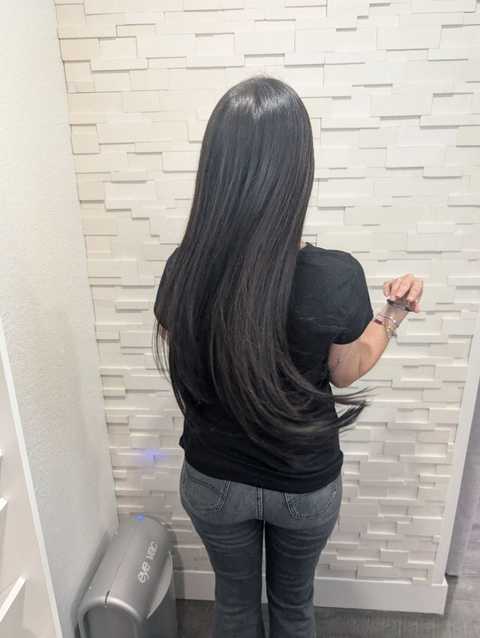
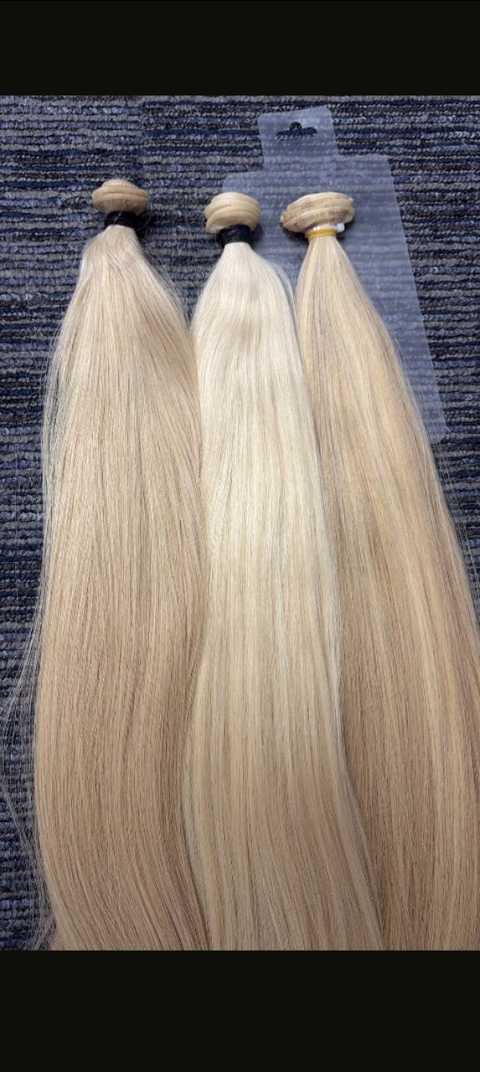
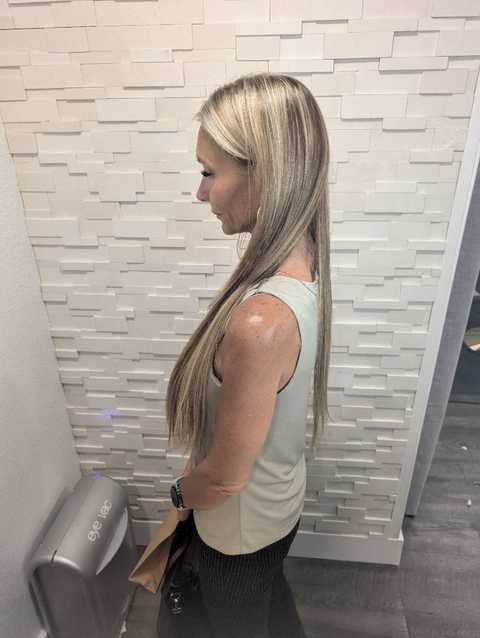
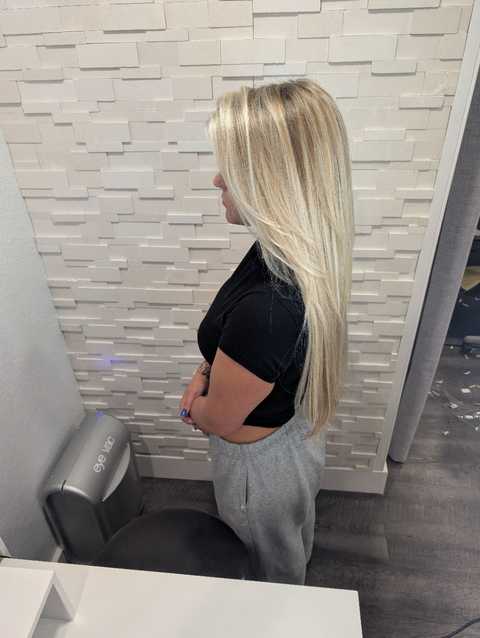
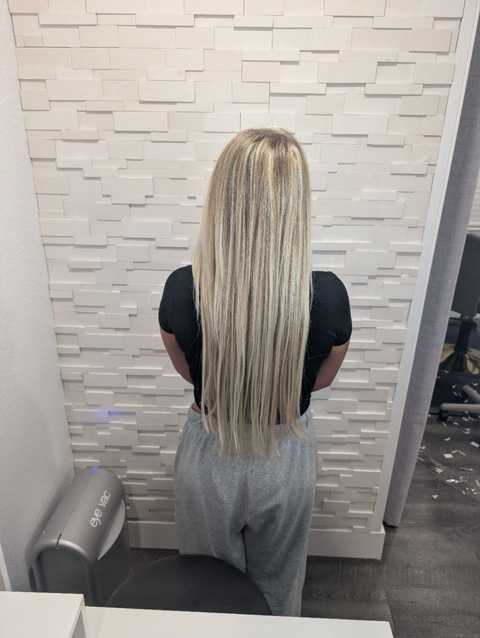
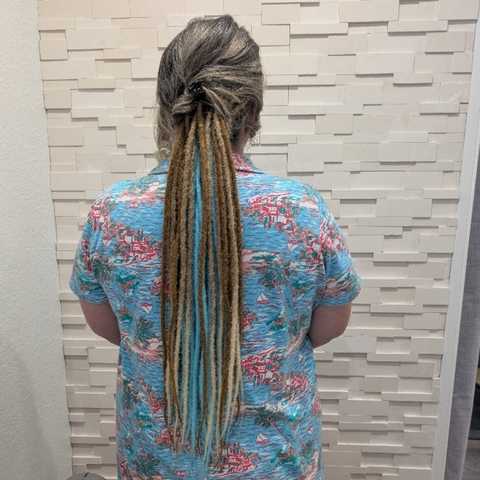
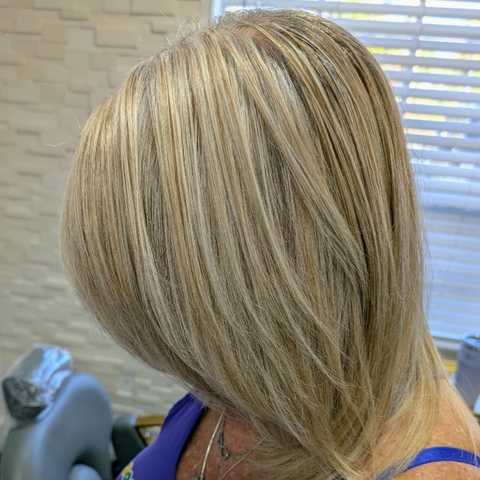
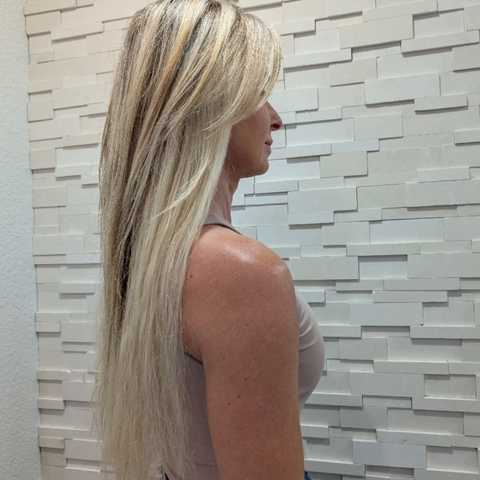
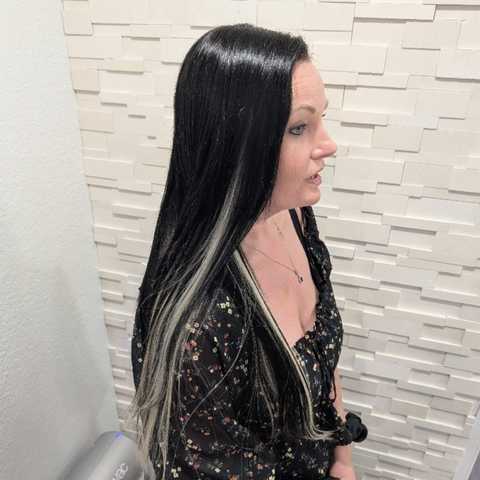
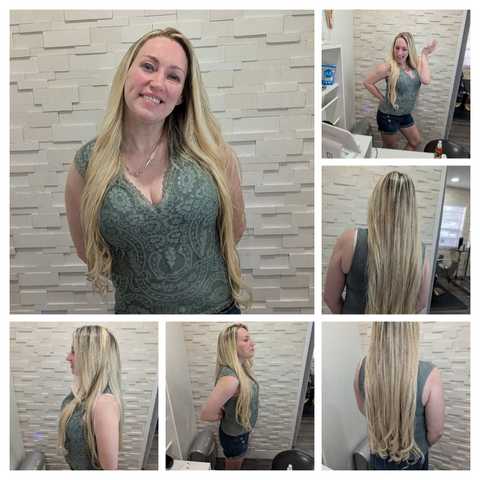
See examples of our Relaxer work and results.





What Our Clients Say
$$MultiPurposeText$$
Read testimonials from our satisfied customers

5 star review!!! My hair needed some serious help and Sam fixed me right up! I got some ex...more

I have too say that Samantha the owner of All About - Extensions did a FANTASTIC job with ...more

Sam has been a Godsend. I came to her with an extension nightmare and she stayed late to h...more

I came in to get extensions. She was very knowledgeable on everything that i asked. She bl...more

Great experience! Love my hair! Sam knows what she is doing. She fixed my
Blonde and insta...more

Sam is big on hair care. Very professional and extremely knowledgeable about extensions. I...more

Frequently Asked Questions
Get answers to common questions about Relaxer.
Relaxer results are permanent on treated hair, but new growth appears natural and requires touch-ups every 8–12 weeks depending on growth. Your stylist will recommend timing and maintenance to avoid overlap and protect hair integrity.
A relaxer alters the curl pattern, which can make hair appear sleeker and slightly less voluminous but does not remove hair strands. Proper technique and moisturizing treatments help preserve perceived density and overall body.
Many clients with color-treated hair can receive a relaxer, but a consultation and strand test are essential. Your stylist will assess porosity, timing, and formulas to reduce risk and recommend spacing between color and chemical services.
After a relaxer, follow stylist aftercare: avoid washing for 48 hours, use sulfate-free cleansers, deep condition weekly, and maintain a protein-moisture balance. Regular trims and gentle styling prevent breakage and preserve smoothness.
Yes — extensions and protective styles can be worn after a relaxer, but coordinate timing with your stylist. Installing extensions too soon or with excessive tension can stress treated hair, so plan installations around strength and recovery.
Relaxers involve chemical processing and can cause scalp irritation, overprocessing, or breakage if applied incorrectly. Risks are minimized through professional assessment, strand testing, proper timing, and post-treatment conditioning and protein care.


